
By Assistanimal | 19 May 2026
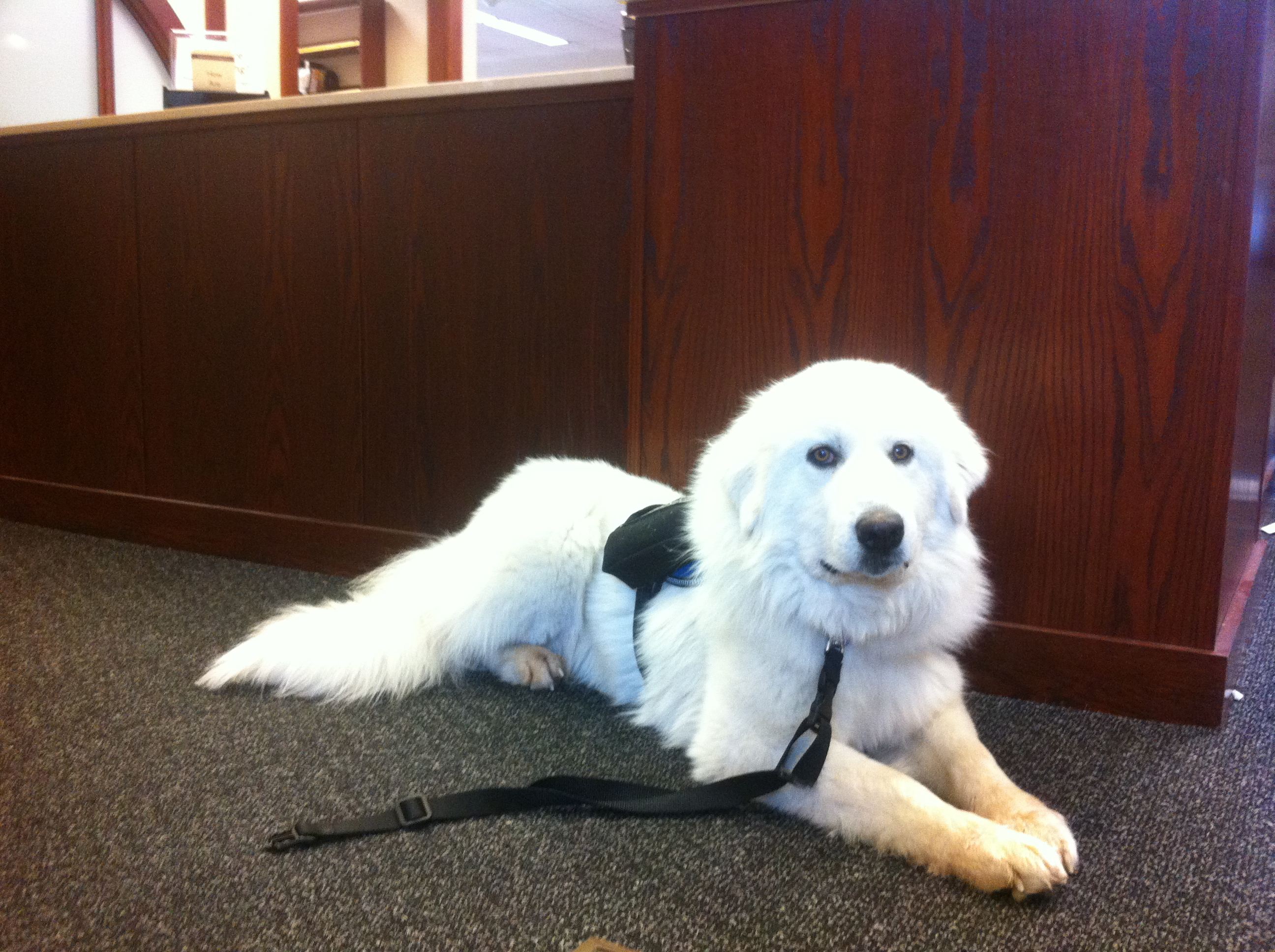
Good assistance animal training is not about looking official. A vest, card or lead wrap can help people understand what they are seeing, but public access depends on something deeper: calm behaviour, hygiene, control, task reliability and a handler who can safely manage the animal in real places.
That matters because public access is where rights and responsibilities meet. Handlers need access so they can participate in daily life. Businesses need to know what is reasonable to expect. Other customers need a safe environment. The animal needs to be trained well enough that it can support the handler without becoming the centre of disruption.
This article is general information for Australian handlers, businesses and community services. It is not legal advice. For serious access disputes, speak with a lawyer, the Australian Human Rights Commission, a disability advocacy service or the relevant State or Territory body.
Public Access Is A Real Skill
Public access is not the same as being friendly at home or walking nicely at the park. An assistance animal may need to work around trolleys, food smells, traffic noise, children, mobility aids, automatic doors, lifts, other animals, crowded waiting rooms, tight aisles, loud music and people who stare, ask questions or try to pat the animal.
A well-prepared assistance animal should be able to stay calm in those environments. It should not be lunging, barking repeatedly, jumping on people, stealing food, wandering away from the handler, toileting indoors, blocking walkways unnecessarily or reacting aggressively to ordinary public activity.
That does not mean an animal must behave like a robot. Animals are living beings, and handlers are people. But public access training should make the animal predictable, manageable and safe enough for everyday community settings.
What Businesses Should Look For
Businesses should avoid judging an assistance animal by size, breed, age, handler appearance or whether the disability is visible. A small dog may be legitimate. A large dog may be legitimate. A handler who can walk may still have a disability. A handler who looks calm may still rely on the animal for medical, psychiatric, neurological, sensory or mobility-related support.
Instead, look at evidence and behaviour. Is the animal under control? Is it hygienic? Is it staying close to the handler? Is it ignoring food, staff and other customers? Is it settling when the handler stops? Is the handler able to answer reasonable access questions or show evidence?
A respectful staff question is:
“We welcome assistance animals. Could you please show evidence that your animal is an assistance animal or trained for public access?”
That question is much better than starting with a refusal. It lets the handler provide evidence before any decision is made.

What Handlers Should Practise
Handlers should practise public access in real-world steps. Start with quieter settings before moving to more complex places. A dog that can settle beside a chair in a quiet office may not yet be ready for a busy food court. A dog that walks calmly outdoors may still need practice around shopping centre floors, automatic doors and close contact with strangers.
Useful public access skills include loose-lead walking, settling under or beside a chair, ignoring dropped food, ignoring other animals, staying calm around children, moving out of walkways, loading into cars or public transport safely, tolerating lifts and stairs, responding to handler cues, and recovering quickly from surprises.
Training should also include hygiene routines. The animal should be clean, healthy, appropriately groomed and toileted before entering places where that matters. Businesses are more likely to respond well when the animal looks cared for and behaves predictably.
Task Training Still Matters
Public manners alone do not make an animal an assistance animal. The animal should be trained to assist the person with disability. That support may involve guiding, alerting, interrupting distress, retrieving items, applying pressure, supporting routine, helping with grounding, responding to medical changes or another disability-related task.
Because disability is personal, task work can look different from one handler to another. Staff should not demand a performance at the counter. However, handlers should be ready to explain in broad terms that the animal is trained to assist with disability and to show appropriate evidence where requested.
When Behaviour Becomes A Problem
Assistance animal access is not a free pass for unsafe or uncontrolled behaviour. If an animal is aggressive, repeatedly disruptive, not under control, causing damage, creating a serious hygiene issue or posing a genuine safety risk, a business may have stronger grounds to act.
The key is to respond to actual behaviour, not assumptions. A business should not refuse access because a customer says they dislike dogs, because staff have never seen that type of animal before, because the handler is young, or because the animal does not match a narrow public idea of what an assistance animal should look like.
A Vest Helps, But It Is Not Everything
Identification can reduce confusion. Vests, cards, patches and lead wraps can help staff and the public understand that the animal is working. But identification should not replace training, evidence or behaviour. A vest on an uncontrolled animal does not solve the problem. A calm, well-trained assistance animal without the exact badge a staff member expected should not be dismissed automatically.
The better approach is evidence plus behaviour. Ask respectfully. Check calmly. Escalate to a manager if unsure. Avoid public arguments.
Why This Matters For Inclusion
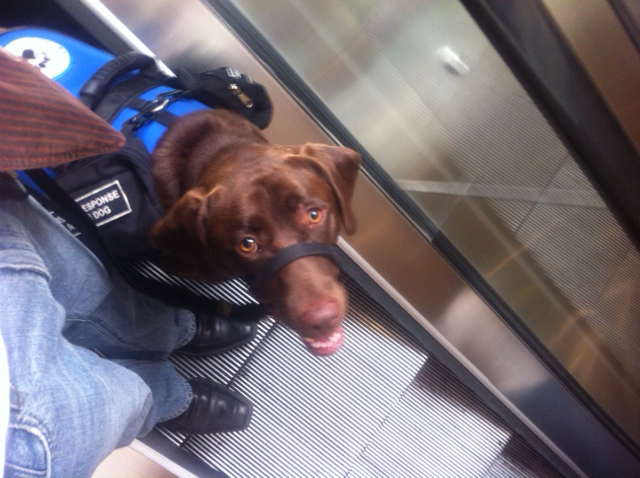
Public access behaviour protects more than the business. It protects the handler’s dignity. When an assistance animal is calm and trained, the handler can move through daily life with less conflict. When staff understand what to look for, they are less likely to make discriminatory assumptions. When everyone has a clear process, access becomes less stressful.
Assistance animal access should not depend on luck at the door. It should depend on informed staff, prepared handlers, trained animals and respectful conversations.
For assistance animal education, certification guidance or public access training support, contact Assistanimal through assistanimal.com.au.