
By Assistanimal

Most access problems with assistance animals start before anyone has asked the right question. A handler walks into a shop, clinic, taxi, cafe, hotel, office or community service. Someone sees an animal and reacts as if it is a pet. The handler is then forced to explain private parts of their life in public, often while managing disability, anxiety, pain, trauma, mobility needs or a medical condition.
That moment matters. A rushed refusal can be humiliating for the handler, stressful for staff and damaging for the business. A calm, informed conversation can protect everyone’s dignity and help the person get on with their day.
This article is general information, not legal advice. It is written to help handlers, businesses and services understand the basics before saying no.
Assistance Animals Are Not Pets
An assistance animal is trained to help a person with disability alleviate the effect of that disability. That support may relate to vision, hearing, mobility, medical alerts, psychiatric disability, distress interruption, grounding, retrieval tasks or other trained assistance. The important point is that the animal is not there for ordinary companionship. It is there because the person has a disability-related need.
Assistanimal exists because too many handlers are still treated as if they are trying to bring a pet into a public place. That misunderstanding creates barriers. It can stop people from attending appointments, using transport, shopping, studying, working, eating out, travelling or participating in community life.
What Australian Law Recognises
Under the Disability Discrimination Act 1992, discrimination can include treating a person with disability less favourably because they are accompanied by an assistance animal. The Act recognises an assistance animal where the animal is accredited under relevant State or Territory law, accredited by a prescribed animal training organisation, or trained to assist a person with disability and meets appropriate standards of hygiene and behaviour for a public place.
That last point matters. The law is not just about a badge, vest or card. It also looks at training, hygiene and behaviour. At the same time, a business should not assume that no animal is legitimate unless it belongs to one narrow program. Owner-trained and differently trained assistance animals can still raise real legal questions and should be handled carefully, respectfully and on evidence.
What A Business Can Ask
A business or service may request evidence that the animal is an assistance animal, or evidence that the animal is trained to meet appropriate hygiene and behaviour standards for a public place. Evidence may look different depending on the handler, the animal, the training pathway and the State or Territory context.
Practical evidence may include certification or identification from a training organisation, public access test material, training records, veterinary information, a handler statement, or disability-related information from an appropriate health professional. The situation should be handled with care. Asking for evidence is different from demanding unnecessary personal medical details in front of strangers.
A respectful staff member might say: “We welcome assistance animals. Do you have evidence that your animal is an assistance animal or trained for public access standards?” That question is very different from: “No dogs allowed. Leave now.”
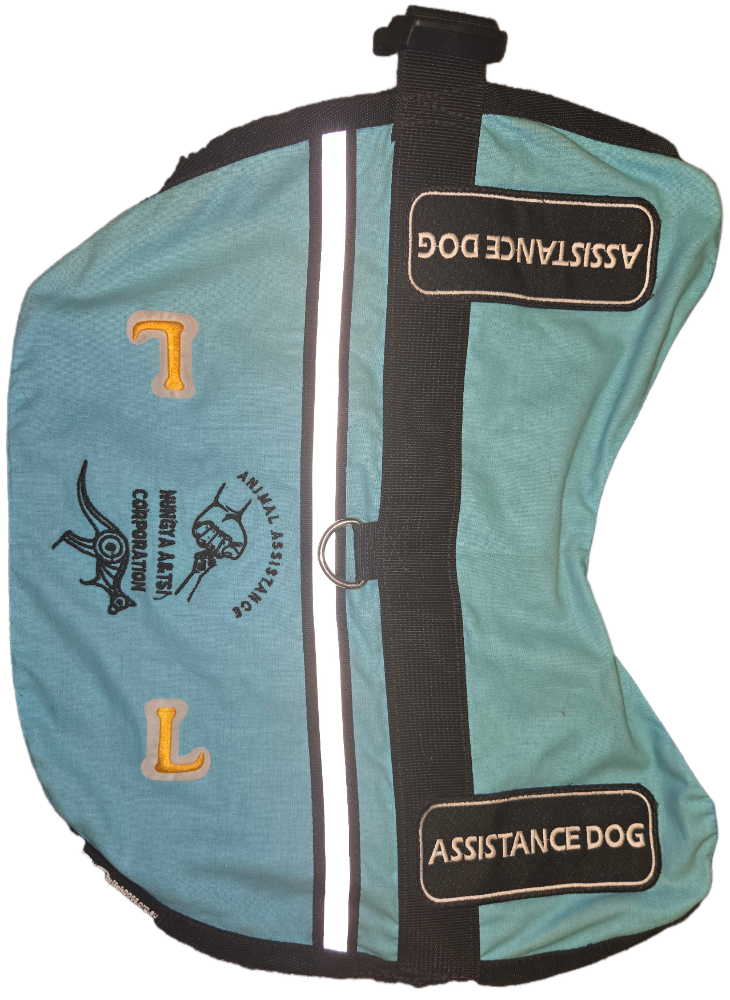
What A Business Should Avoid
Businesses should avoid automatic refusals, blanket “no animals” policies, pet fees, demands for irrelevant private medical information, or separating a person from their assistance animal without a lawful and necessary reason. Staff should also avoid arguing in public, filming the handler, mocking the animal, or treating the person as a problem.
Most front-counter workers do not set out to discriminate. They are often unsure what to do. That is why training matters. A short, plain-language process can prevent a complaint and protect the person’s access rights.
What Handlers Can Prepare
Handlers should not have to carry their whole life story to buy groceries or attend an appointment. Still, in the real world, a simple evidence kit can reduce conflict. That kit might include an ID card or certificate, a public access test record, a short letter explaining the animal’s role, vaccination or hygiene records where useful, and contact details for the certifying or training organisation.
It can also help to prepare a calm sentence for stressful moments: “This is my assistance animal. The animal is trained to assist with my disability and meets public access behaviour standards. Here is my evidence.”
If the situation escalates, handlers may choose to record the date, time, location, staff name, what was said and any witnesses. Complaints are easier to deal with when the details are written down early.
There Are Real Responsibilities Too
Access rights come with responsibilities. Assistance animals should be under control, hygienic and suitable for the environment. A business may have stronger grounds to act if an animal is not under control, is behaving aggressively, is causing damage, or there is a genuine health issue such as a reasonable suspicion of infectious disease where action is necessary to protect public health or other animals.
That does not mean staff can refuse access because they feel uncomfortable, dislike dogs, have never seen that type of documentation before, or assume the handler “doesn’t look disabled”. Invisible disability is still disability.
Education Prevents Conflict
Assistance animal access works best when handlers, businesses and services all know the basics. Handlers need confidence and clear evidence. Businesses need a respectful script and a process for checking evidence. Community services need to understand that access is not a favour. It is part of disability inclusion.
Assistanimal provides education, advocacy and certification support to help create a more inclusive Australia for assistance animal handlers. The goal is not to create arguments at the door. The goal is to make sure people with disability can move through daily life with dignity, safety and practical support.
Before You Say No, Slow Down
If you are a business, pause before refusing access. Ask the right question. Check evidence respectfully. Keep the conversation private where possible. If you are unsure, seek guidance rather than making a public scene.
If you are a handler, prepare what you can, know your rights and keep records when something goes wrong. You deserve to be treated with dignity.
For assistance animal education, certification support or community training, contact Assistanimal through assistanimal.com.au or email admin@nungya.com.