
By Assistanimal | 21 May 2026
Businesses are allowed to ask for evidence in some situations, but the way they ask matters. A respectful question can protect everyone: the handler, the animal, staff, other customers and the business. A hostile demand can quickly turn into a discriminatory refusal.
In Australia, assistance animal access is not based only on a vest, patch or the staff member’s personal opinion. The core issues are whether the animal is an assistance animal, whether it assists the person with disability, and whether it meets appropriate hygiene and behaviour standards for public places.
This article is general information for handlers, businesses and community services. It is not legal advice. For a serious access dispute, contact a lawyer, disability advocacy service, the Australian Human Rights Commission or the relevant State or Territory complaints body.
Why Evidence Matters
Evidence helps move the conversation away from assumptions. Staff should not refuse access because a handler is young, because the disability is not visible, because the animal is a particular breed or size, or because the animal is not wearing the exact jacket the staff member expected.
Evidence also helps businesses manage genuine responsibilities. Public access depends on more than kindness. It involves hygiene, behaviour, safety, training and a person with disability being able to access goods, services, premises and transport without unfair treatment.
The Australian Human Rights Commission explains that if a business is not sure whether an animal is an assistance animal, it is not against the law to ask for evidence that the animal is an assistance animal or that it is trained to meet hygiene and behaviour standards appropriate for a public place.
What Evidence Can Look Like
There is not one single national card that covers every assistance animal situation in Australia. Evidence can vary depending on the State or Territory, the training pathway, the handler’s circumstances and the place being accessed.
Useful evidence may include identification from a State or Territory assistance animal register, a card or letter from a training organisation, a public access assessment, documentation from a qualified trainer, or a medical certificate or letter that confirms the animal assists the person with disability.
Staff should not demand detailed medical history at the door. The handler should not have to disclose a diagnosis, trauma history, medication list or private treatment details just to buy food, attend a service or move through a public place.
A Good Way To Ask
The tone of the question matters. Staff should speak to the handler, not the animal. They should avoid grabbing the lead, patting the animal, blocking the handler’s path or drawing a crowd.
“We welcome assistance animals. Could you please show evidence that your animal is an assistance animal or trained for public access?”
That question is direct, but it is not aggressive. It gives the handler a chance to provide evidence before anyone makes a decision. If the staff member is unsure, the next step should be a manager, not a public argument.
What Staff Should Not Demand
Staff should avoid made-up requirements. It is risky to say, “We only accept guide dogs,” “You must have our preferred card,” “You need a government vest,” or “You have to prove your disability to me.”
It is also unfair to ask the handler to make the animal perform a task on command in a public space. Some assistance tasks happen only when needed. Some relate to medical changes, anxiety, alerting, interruption, grounding or movement support. A forced performance can be unsafe, humiliating or simply irrelevant.
The better approach is to focus on reasonable evidence, public behaviour and control. If the evidence is unclear, staff should slow the conversation down and involve someone trained to make the decision.
What Handlers Can Carry
Handlers can reduce stress by carrying evidence in more than one format. A physical card, digital copy, letter, certificate, training record or public access assessment can make the conversation easier, especially when the first staff member has not had proper training.
It can also help to keep a short access statement ready. For example: “This is my assistance animal. The animal is trained to assist me with disability-related tasks and is trained for public access. Here is my evidence.”
That statement does not reveal private medical details. It keeps the conversation focused on access, evidence and behaviour.
Behaviour Still Counts
Evidence is important, but it does not excuse unsafe behaviour. An assistance animal should be under control, hygienic and able to work in public without creating a genuine safety issue. That does not mean the animal must be silent and perfect every second. It does mean the handler should be able to manage the animal and respond if something goes wrong.
Businesses should respond to actual behaviour, not assumptions. A calm animal sitting beside a handler is different from an animal lunging, toileting indoors, damaging property, stealing food or repeatedly disrupting the space.
For Businesses: Build A Simple Staff Process
Most problems happen because the first staff member has no script, no training and no manager to call. A business should write a short assistance animal process and train staff to follow it.
A useful process should explain who staff contact, what evidence may be requested, how to ask respectfully, what to do if the handler provides evidence, how to respond to other customers, and how to document a genuine behaviour or hygiene concern.
Staff should also understand that different places have different rules. Transport, aviation, hospitals, schools, food venues and private premises can raise different issues. That is why a blanket “no animals” answer is not enough.
For Handlers: Keep The Record Clean
If an access check becomes a refusal, write down what happened as soon as possible. Record the date, time, location, staff names, what was asked, what evidence was shown, what reason was given and whether a manager was involved.
Keep copies of receipts, booking records, emails, messages, photos of signs and any written response from the business. If the matter becomes a complaint, clear notes are much stronger than memory alone.
Handlers should not have to fight for basic access. But when a business gets it wrong, a clear record can help secure an apology, staff training, a policy correction or a better outcome for the next person.
Respectful Questions Prevent Refusals
The goal is not to stop staff from asking anything. The goal is to stop staff from guessing, demanding private medical information or refusing access before the handler has been heard.
Evidence checks should be calm, lawful and consistent. When businesses understand what they can ask, and handlers know what they can show, public access becomes less stressful for everyone.
For assistance animal education, public access training support or documentation guidance, contact Assistanimal through assistanimal.com.au.
Further Reading
- Assistanimal: Australian Law
- Disability Discrimination Act 1992
- Australian Human Rights Commission: Assistance animals and the DDA
- Australian Human Rights Commission: Access for all
- NDIS: What are assistance animals
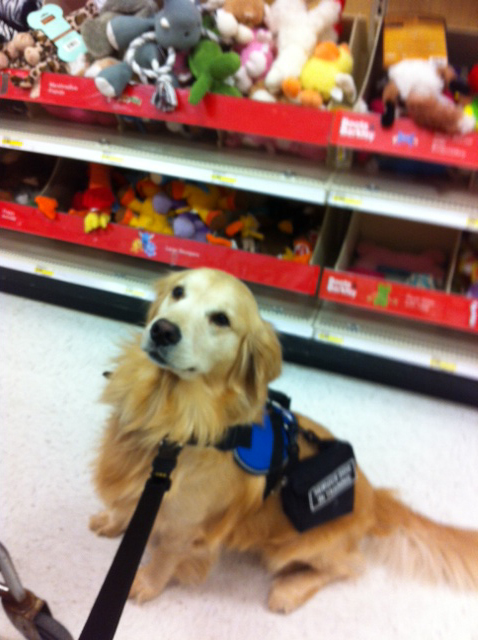
- Image source: Service dog at Target
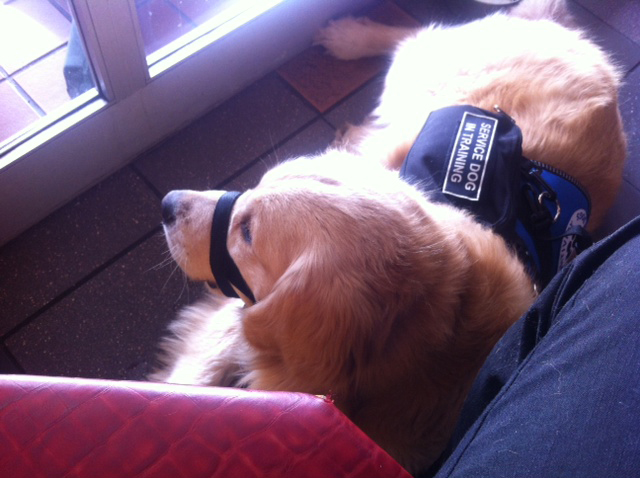
- Image source: Service Dog at restaurant
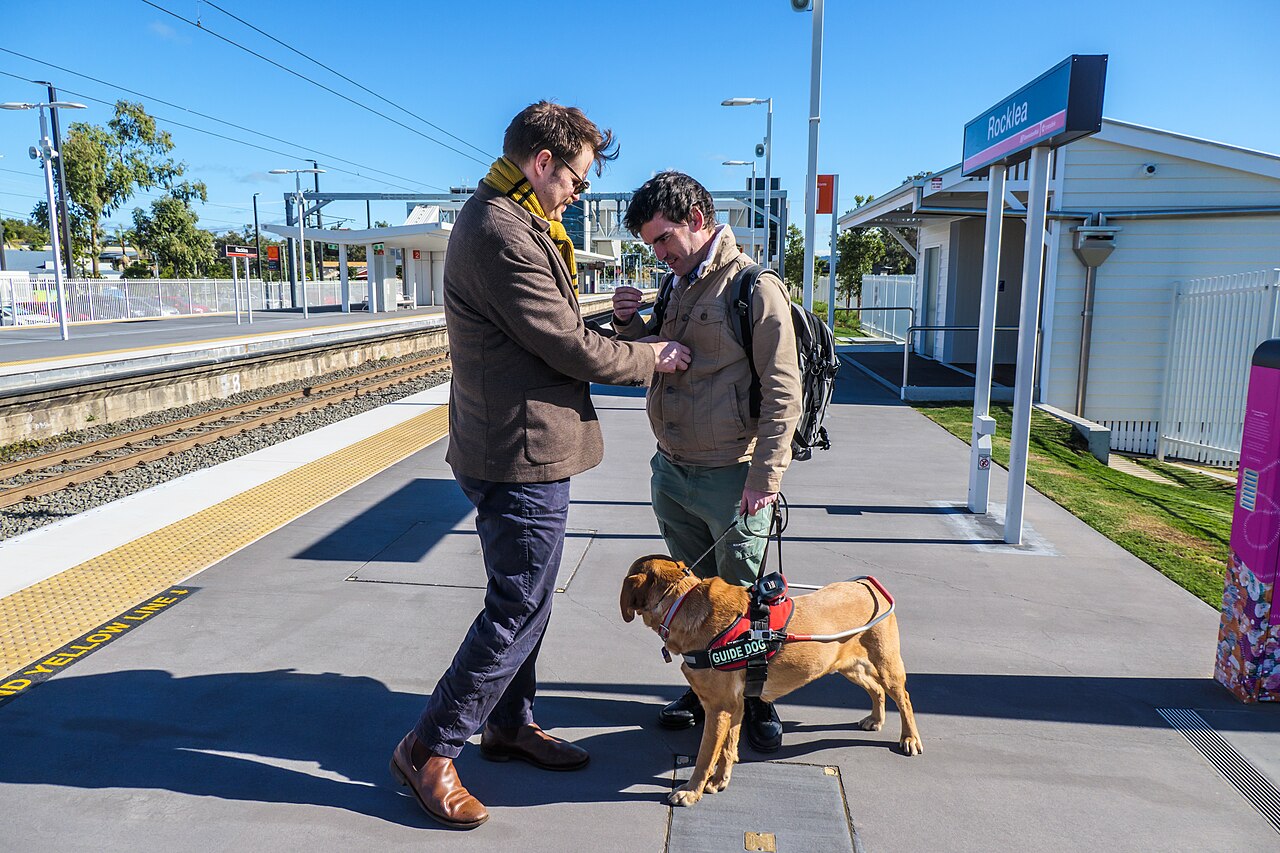
- Image source: Guide dog at Rocklea Railway Station


