
By Assistanimal | 20 May 2026
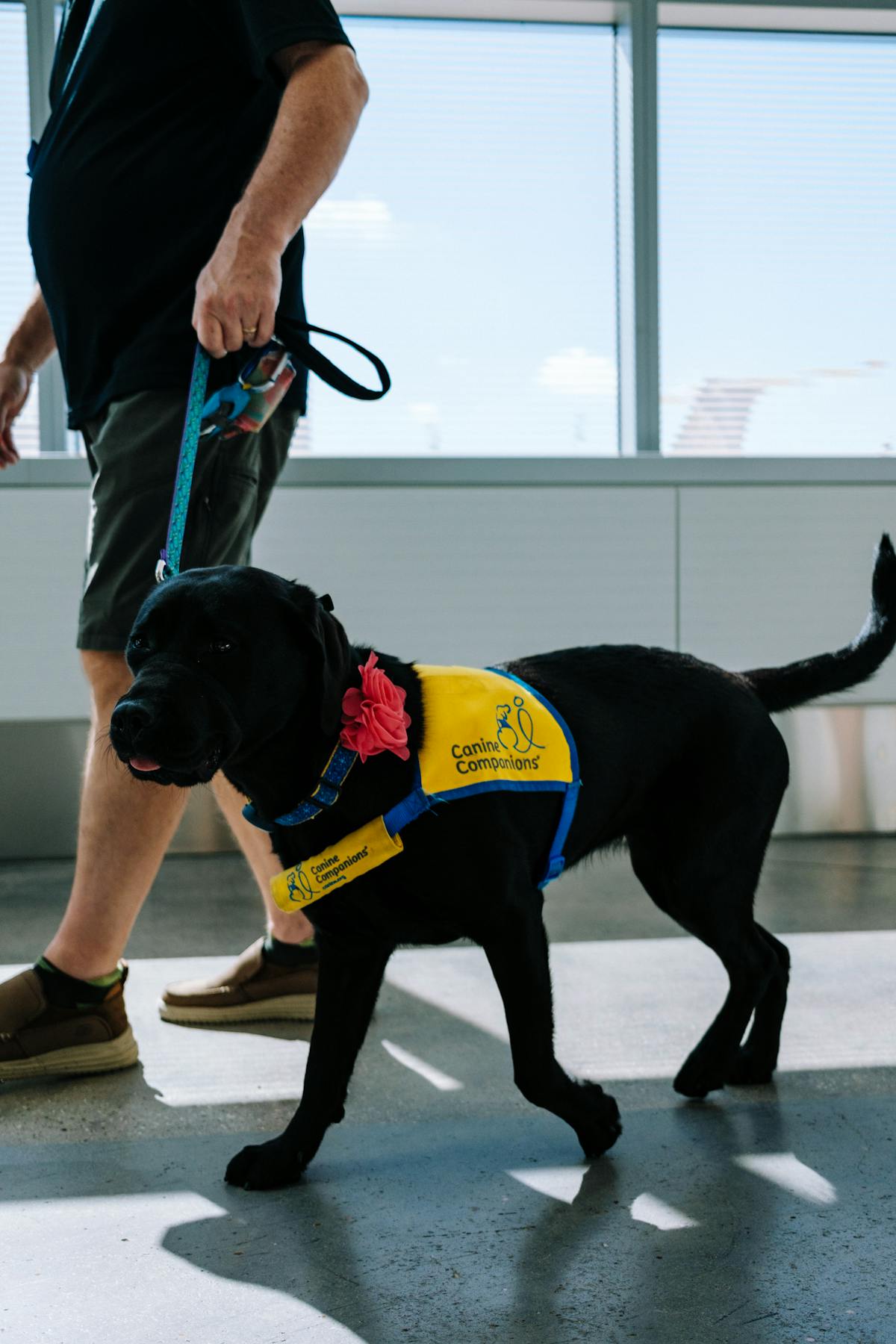
“It’s our policy” is not a proper answer when a person with disability is refused access with their assistance animal. Policies matter inside a business, but they do not sit above discrimination law. If a staff member refuses an assistance animal, the decision should be based on lawful reasons, clear evidence, actual behaviour and a respectful process.
For many handlers, a refusal is not a small inconvenience. It can mean missing an appointment, being embarrassed in front of strangers, being forced to explain private disability information, losing money, going home without food or medication, or avoiding that place in the future. The harm is practical, emotional and social.
This article is general information for Australian handlers, businesses and community services. It is not legal advice. For urgent or serious discrimination matters, contact a lawyer, disability advocacy service, the Australian Human Rights Commission, or the relevant State or Territory complaints body.
Policy Does Not Override The Law
The Disability Discrimination Act 1992 protects people with disability from being treated unfairly in many areas of public life. The Act recognises that a person may be accompanied by an assistance animal, including an animal trained to assist the person to alleviate the effect of their disability and to meet appropriate standards of hygiene and behaviour.
That means a business cannot simply point to a blanket rule such as “no dogs”, “health policy”, “head office policy” or “we do not allow animals” and treat the conversation as finished. A pet policy and an assistance animal process are not the same thing.
There may be situations where a business can ask reasonable questions or request evidence. There may also be situations where an animal’s actual behaviour creates a genuine issue. But those are very different from refusing access before the handler has had a fair chance to explain or provide evidence.
The Problem With Poor Excuses
Poor excuses usually sound simple at the door. “We do not follow that policy.” “My manager said no.” “We only accept guide dogs.” “The dog is too small.” “You do not look disabled.” “Other customers might complain.” “We have food here.” “Come back without the animal.”
Each of those responses can create a serious problem. Disability is not always visible. Assistance animals are not all the same breed or size. Food settings do not automatically erase access rights. Customer discomfort is not the same as a lawful safety risk. A staff member’s uncertainty should lead to a calm check, not a public refusal.
The better question is not, “Do we like this animal being here?” The better question is, “Do we have a lawful, evidence-based reason to refuse access, and have we treated the handler with dignity while checking?”

What A Respectful Access Check Looks Like
A respectful access check is calm, private where possible and focused on evidence and behaviour. Staff should avoid arguing across a counter or drawing attention from other customers. A manager should be called early if the first staff member is unsure.
A good staff script is simple:
“We welcome assistance animals. Because this is a public access area, could you please show evidence that the animal is an assistance animal or trained for public access?”
That wording leaves room for the handler to provide evidence. It does not assume the animal is fake. It does not demand private medical details. It also gives the business a clear process to follow.
Businesses should train staff to look at the things that matter: whether the animal is under control, whether it is hygienic, whether it is behaving safely, whether evidence has been provided and whether any risk is real rather than assumed.
What Refusal Does To Handlers
Being refused access can be humiliating. Some handlers spend years building the confidence to go into public again. A single loud refusal can undo that confidence and make everyday places feel unsafe.
It can also make disability more expensive. A handler may have to pay for another taxi, miss a paid booking, cancel a medical appointment, arrange support from another person or travel to a different business. When refusals repeat, the handler’s world gets smaller.
There is also the stress of being forced to become an educator in the middle of a normal day. Handlers should not have to argue the law every time they buy groceries, attend a service, visit a clinic or meet friends for lunch.
When A Business Has A Real Concern
Access rights are important, but they do not mean every situation must be ignored. If an animal is aggressive, repeatedly disruptive, not under effective control, creating a serious hygiene problem or causing a genuine safety risk, a business may need to act.
The key is to identify the actual behaviour. “The animal barked once when startled” is different from ongoing uncontrolled barking. “A customer is uncomfortable” is different from a direct safety risk. “We have food here” is different from an animal stealing food, toileting indoors or entering a sterile area where different rules apply.
If there is a concern, staff should explain it clearly, give the handler a chance to correct the issue where reasonable and document what happened. A proper process protects both the handler and the business.

What Handlers Can Do After A Refusal
If access is refused, try to stay calm and gather details if it is safe to do so. Write down the date, time, location, staff names, what was said, what evidence was offered, whether a manager was called and whether anyone witnessed the interaction.
Keep receipts, booking confirmations, emails, screenshots or transport records. If the business later says the issue never happened, those details matter.
Afterwards, the handler can make a written complaint to the business and ask for a clear response. Useful outcomes may include staff training, a written apology, a corrected assistance animal policy, reimbursement for direct costs or a promise that the refusal will not happen again.
If the matter is serious or unresolved, the handler may consider contacting the Australian Human Rights Commission, a State or Territory anti-discrimination body, a community legal service or a disability advocacy organisation.
What Businesses Should Fix Now
Businesses do not need to wait for a complaint. They can reduce risk by training staff before a difficult moment happens. Every public-facing team should know that assistance animals are not ordinary pets, that visible disability is not required and that “policy” is not a magic word that ends the discussion.
A good workplace process should include who staff call for help, what evidence may be requested, how to speak respectfully, how to record concerns, how to respond to other customers and when a genuine behaviour or safety issue needs escalation.
Most access problems become worse because staff panic, guess or make the handler responsible for teaching the whole team at the door. A simple policy, properly followed, can prevent that.
Access Should Not Depend On Luck
A handler should not have to hope that the right manager is working. They should not have to hope that the staff member has heard of assistance animals before. They should not have to hope that they look disabled enough to be believed.
Access should depend on law, evidence, behaviour and dignity. When businesses understand that, refusals become less common, complaints become easier to resolve and people with disability can move through the community with less fear of being stopped at the door.
For assistance animal education, public access guidance or support with documentation, contact Assistanimal through assistanimal.com.au.
Further Reading
- Assistanimal: Australian Law
- Disability Discrimination Act 1992
- Australian Human Rights Commission: Assistance animals and the DDA
- NDIS: Assistance animals
- Pexels: Service Animal at an Airport
- Wikimedia Commons: Service Dog at food court
- Wikimedia Commons: Service dog at the doctor’s office waiting room

