
By Assistanimal | 22 May 2026
In Australia, the public access question is not whether an animal is loved, helpful or comforting. The question is whether the animal is an assistance animal connected to a person with disability, trained to assist that person, and able to meet appropriate standards of hygiene and behaviour in public places.
That difference matters. A business that treats an assistance animal as a pet can create discrimination risk. A handler who expects access without training or evidence can create safety and credibility problems. The sensible middle ground is clear: Australian law, proper evidence, respectful questions and safe public behaviour.
This article is general information for Australian handlers, businesses and community services. It is not legal advice. For a serious access dispute, contact a lawyer, disability advocacy service, the Australian Human Rights Commission or the relevant State or Territory complaints body.
The Australian Starting Point
The Disability Discrimination Act 1992 is the national law that protects people with disability from discrimination in many areas of public life. Under the DDA, an assistance animal may be recognised where it is accredited under relevant law, accredited by a prescribed training organisation, or trained to assist a person with disability and trained to meet standards of hygiene and behaviour appropriate for public places.
That means public access is not based on a business owner’s personal preference. It is also not based only on a vest, patch or social media certificate. The real issues are disability assistance, training, hygiene, behaviour and evidence.
In Queensland, certified guide, hearing and assistance dogs are also covered by the Guide, Hearing and Assistance Dogs Act 2009. Queensland Government guidance says handlers with certified dogs must have their handler identity card displayed or available for inspection, and the dog must wear the identifying coat with the blue and white guide, hearing and assistance dog logo.
Pets And Assistance Animals Are Not The Same Thing
A pet may be important to a person. It may be loved, calming and part of a person’s daily routine. But ordinary pet rules are not the same as assistance animal access rights.
An assistance animal is different because it is connected to disability support and training. It is expected to assist the handler and to behave safely and hygienically in public. That is why a blanket “no pets” policy should not be used as a blanket refusal against an assistance animal.
Businesses should train staff to pause before refusing access. The right question is not, “Do we allow animals?” The right question is, “Is this an assistance animal, has evidence been provided where appropriate, and is the animal behaving safely and hygienically?”
Therapy And Visitation Dogs Are By Permission
Some dogs visit hospitals, schools, aged care homes or community programs as part of organised therapy or visitation work. That can be valuable, but it is not the same as an assistance animal accompanying a person with disability in daily life.
A therapy or visitation dog usually enters a place because that place has invited or approved the program. A handler with an assistance animal is relying on disability access rights. Those are different situations, and staff should not mix them up.
This distinction protects everybody. It helps businesses support genuine access properly, and it protects handlers from being challenged because staff have confused assistance animal law with pet visits or community programs.
What Businesses Can Ask
Staff can ask respectful evidence questions when they are not sure whether an animal is an assistance animal. The question should be calm, private where possible and focused on the animal’s assistance role and public access training.
“We welcome assistance animals. Could you please show evidence that your animal is an assistance animal or trained for public access?”
Staff should not ask for a full medical history, diagnosis, medication list or trauma story. They should not demand a public performance of a task. They should not reject a handler because the disability is not visible, because the animal is not the breed they expected, or because another customer dislikes animals.
If the business is in Queensland and the handler has a certified guide, hearing or assistance dog, staff may check the handler identity card and identifying coat. Businesses should also remember that Queensland Government guidance notes that handlers with assistance dogs not certified by the Queensland Government may still have public access rights under the DDA.
Behaviour Still Matters
Access rights do not mean unsafe behaviour must be ignored. An assistance animal should be under effective control, hygienic and able to work in public without creating a genuine safety problem.
Actual behaviour matters more than assumptions. A calm dog sitting beside a handler is not the same as an animal lunging, toileting indoors, damaging property, stealing food, blocking access or repeatedly disrupting the space.
If there is a real concern, staff should explain the concern clearly, give the handler a chance to correct it where reasonable, call a manager if needed and document what happened. The decision should be based on behaviour and evidence, not embarrassment, guesswork or a rushed “no animals” response.
What Handlers Should Carry
Handlers can make access checks easier by carrying evidence in a physical and digital format. That might include a Queensland handler identity card for a certified guide, hearing or assistance dog, training documentation, public access assessment records, a letter from a training organisation, or other evidence that the animal is trained to assist and behave appropriately in public.
A short statement can also help:
“This is my assistance animal. The animal is trained to assist me with disability-related tasks and is trained for public access. Here is my evidence.”
That keeps the conversation focused on Australian access requirements without disclosing private medical details at the door.
Why This Matters
When businesses get assistance animal access wrong, the handler pays the price. They may miss transport, appointments, groceries, meals, services or social events. They may be forced to explain disability in public. They may stop going back to places where they have been embarrassed or refused.
When handlers and businesses both understand the Australian framework, access becomes calmer. Staff know what to ask. Handlers know what to show. Managers know when to step in. The animal is judged by training, hygiene and behaviour rather than fear or assumptions.
Assistance animal access in Australia should not be treated as a pet policy issue. It is a disability access issue, and it needs to be handled with law, dignity and common sense.
For assistance animal education, public access training support or documentation guidance, contact Assistanimal through assistanimal.com.au.
Further Reading
- Assistanimal: Australian Law
- Disability Discrimination Act 1992
- Australian Human Rights Commission: Assistance animals and the DDA
- NDIS: What are assistance animals
- Queensland Government: Businesses, organisations and transport providers
- Queensland Government: Identification for handlers
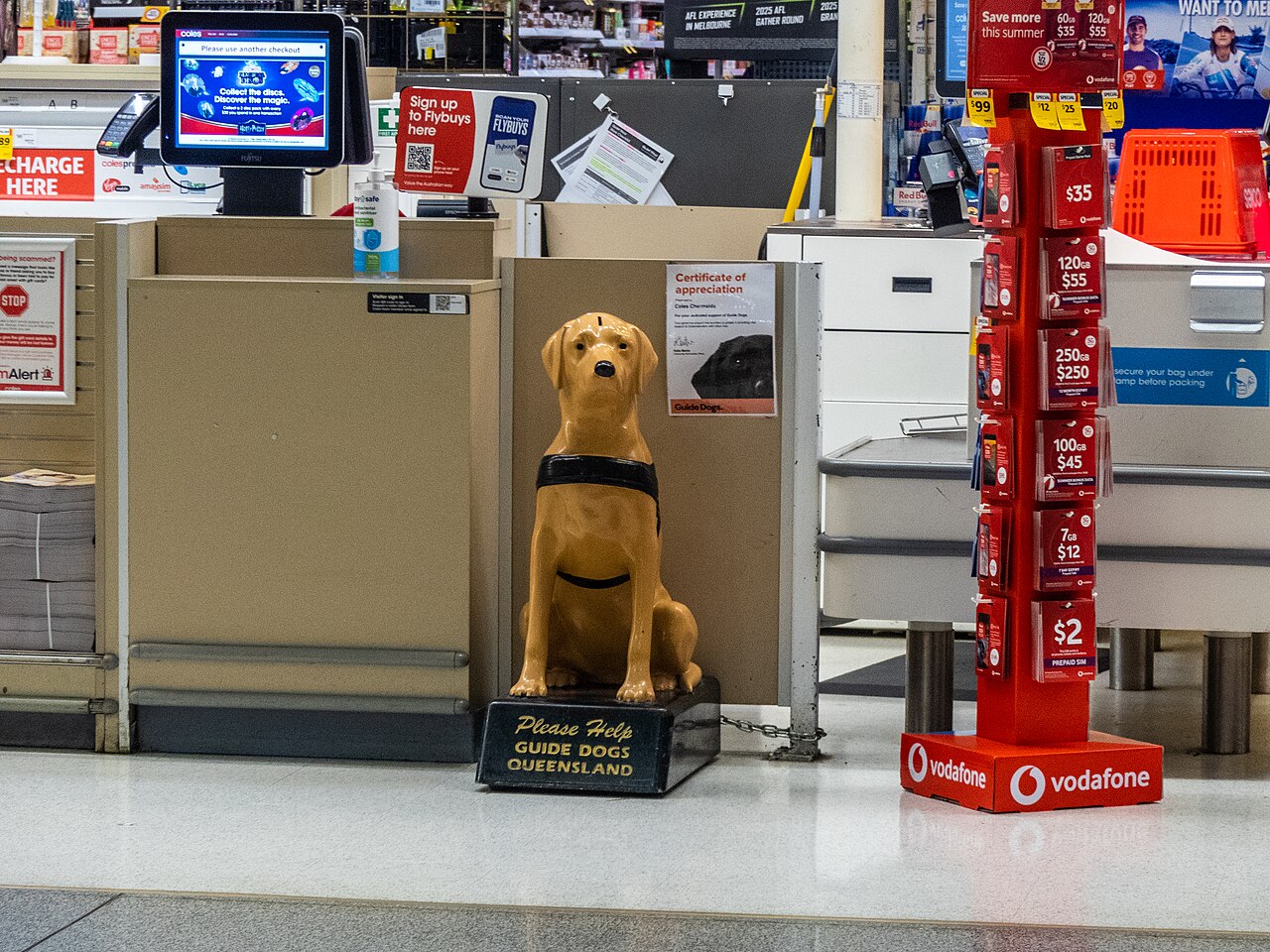
- Image source: Guide Dogs Qld dog Westfield Chermside
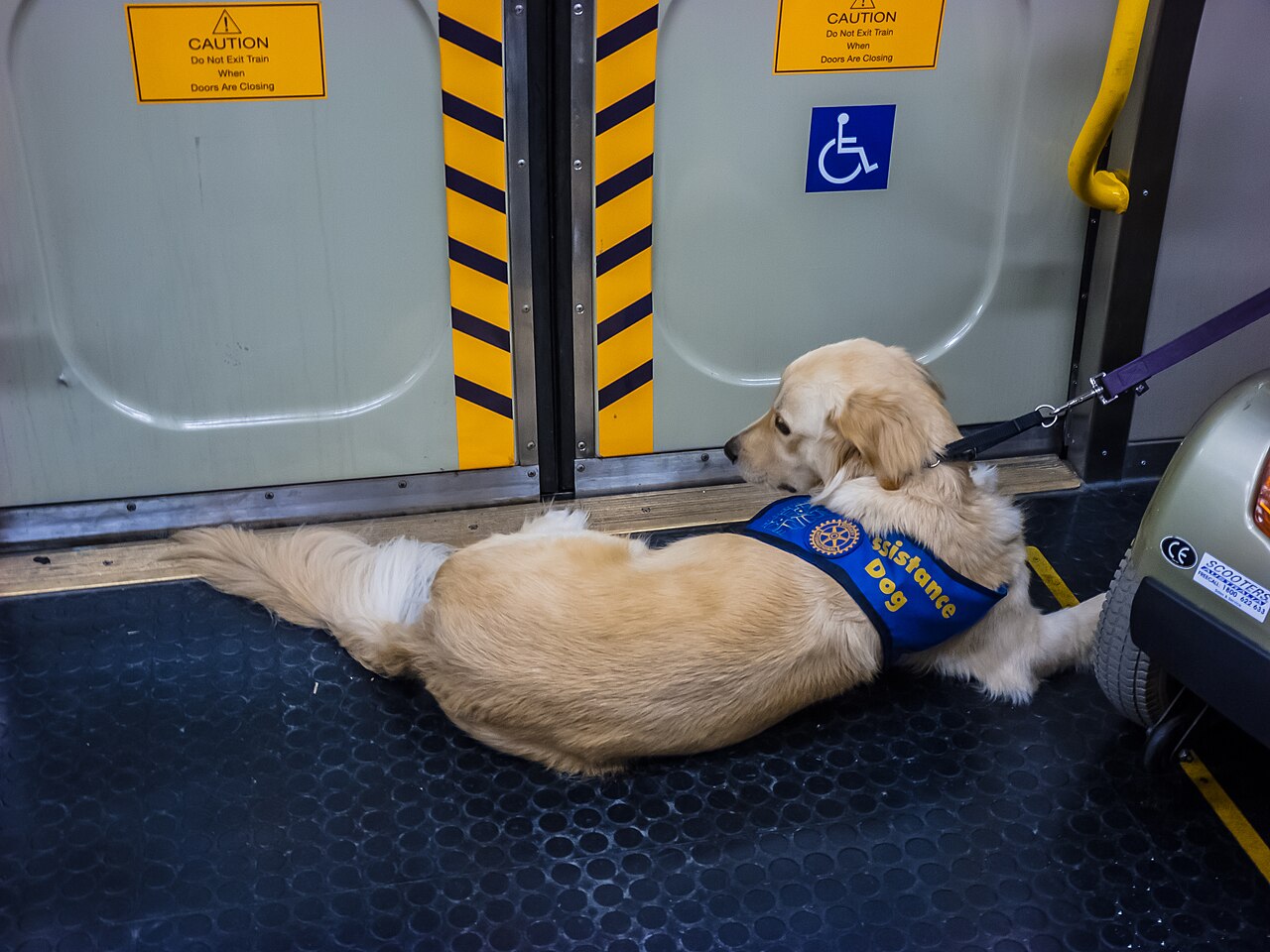
- Image source: Assistance dog with scooter user Queensland Rail
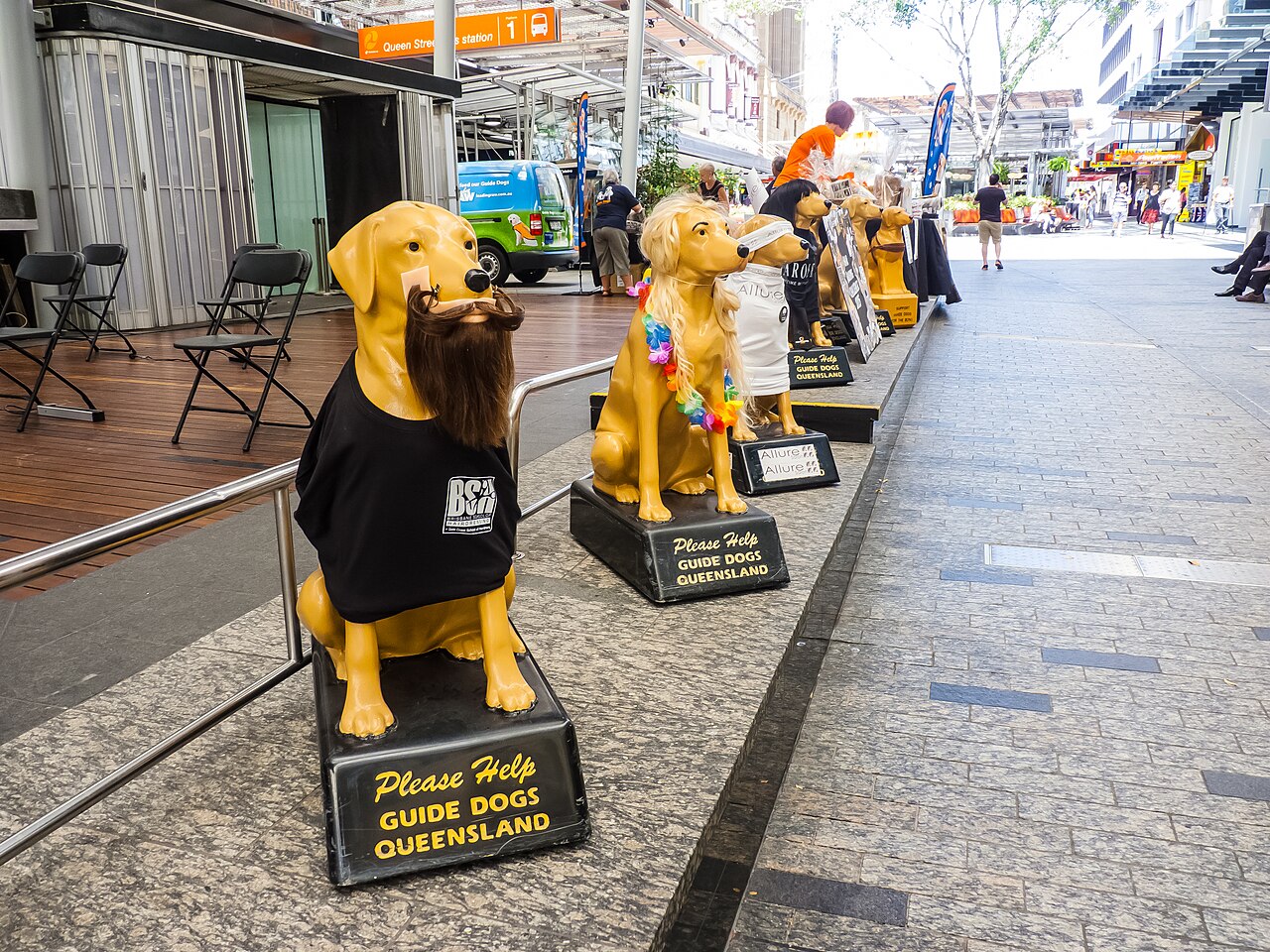
- Image source: Guide Dogs Qld fundraising Queen Street Mall Brisbane


